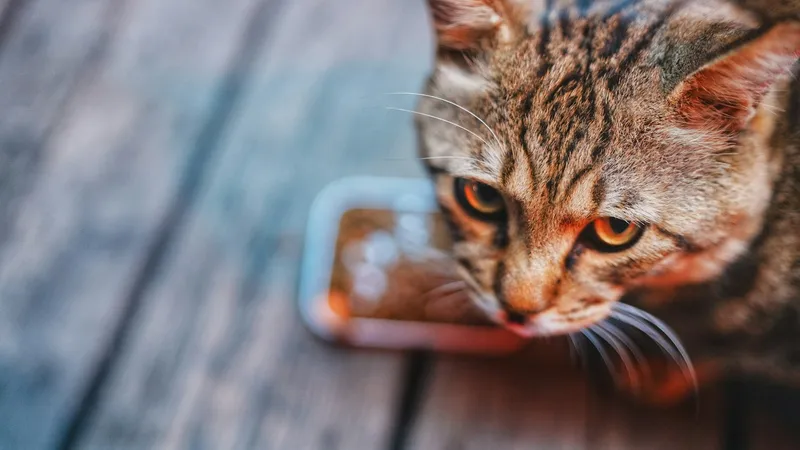
Why cats are different
Cats are obligate carnivores. They cannot make enough taurine themselves, so it must come from food, and AAFCO's cat food nutrient profiles set minimum taurine levels for complete diets. Widely cited versions specify 0.10% of dry matter for dry food and 0.20% for canned; check the current AAFCO edition for your formulation.
Shellfish are one of the richest natural sources of taurine. Our blue mussel powder measured 1.1 g per 100 g, about 11 mg per gram.
What a cat serving delivers
Scaling the common mussel-powder label convention of 0.5 g per 10 kg of body weight to a 4 kg cat gives about 0.2 g a day. With our powder, that serving carries:
| Per 0.2 g | Amount |
|---|---|
| Taurine | 2.2 mg |
| Total omega-3 | 9.7 mg (EPA + DHA 7.7 mg) |
| Protein | 0.12 g |
| Vitamin B12 | 0.12 µg |
These are small amounts. In a complete diet, mussel is a contributor and a flavour, not the taurine source. Complete cat foods still need taurine formulated to the AAFCO minimum.
Palatability
Cats reject food more readily than dogs, so flavour carries a product. Mussel powder has a savoury marine taste from its glutamic acid, which is the profile cat treats are built around. Freshness matters even more for cats, because oxidised fat is one of the first things they refuse. Our lot measured a peroxide value of 3.4 mEq O₂/kg. Run a palatability trial in your own format before you scale.
Formats that suit cats
- Lickable purees and squeeze tubes: powder disperses into the base; a small inclusion gives marine flavour and taurine on the label.
- Cat toppers: a pinch-sized scoop, around 0.2 g, over wet or dry food.
- Freeze-dried bites: blended with fish or poultry before drying.
- Complete wet diets: as a shellfish component, with taurine still formulated to target.
Market context
Cats are forecast as the fastest-growing segment of the omega-3 pet supplement market, at about 11% a year (Mordor Intelligence). Powdered toppers are forecast as the fastest-growing topper format. A cat-specific mussel product sits where both trends meet.
Cautions
- Shellfish allergy is possible. Label clearly: contains molluscs.
- Introduce gradually and keep servings small.
- Cats with kidney disease or on prescription diets should only change diet under veterinary guidance.
Lot data and samples: mussel powder page.
Questions buyers ask
Is mussel powder good for cats?
Blue mussel powder is a whole-food source of taurine (1.1 g per 100 g), omega-3 (4.83 g per 100 g) and protein, with a marine flavour many cats accept. It is used in small amounts. Ask your vet before changing your cat’s diet, and avoid it if your cat has a shellfish allergy.
How much taurine is in mussel powder?
Oyster Elements blue mussel powder measured 1.1 g of taurine per 100 g, about 11 mg per gram.
How much mussel powder can a cat have?
Scaling the common label convention of 0.5 g per 10 kg body weight gives about 0.2 g a day for a 4 kg cat. Your product formulator or vet should set the serving.